
- Active ingredients
- Dosage form
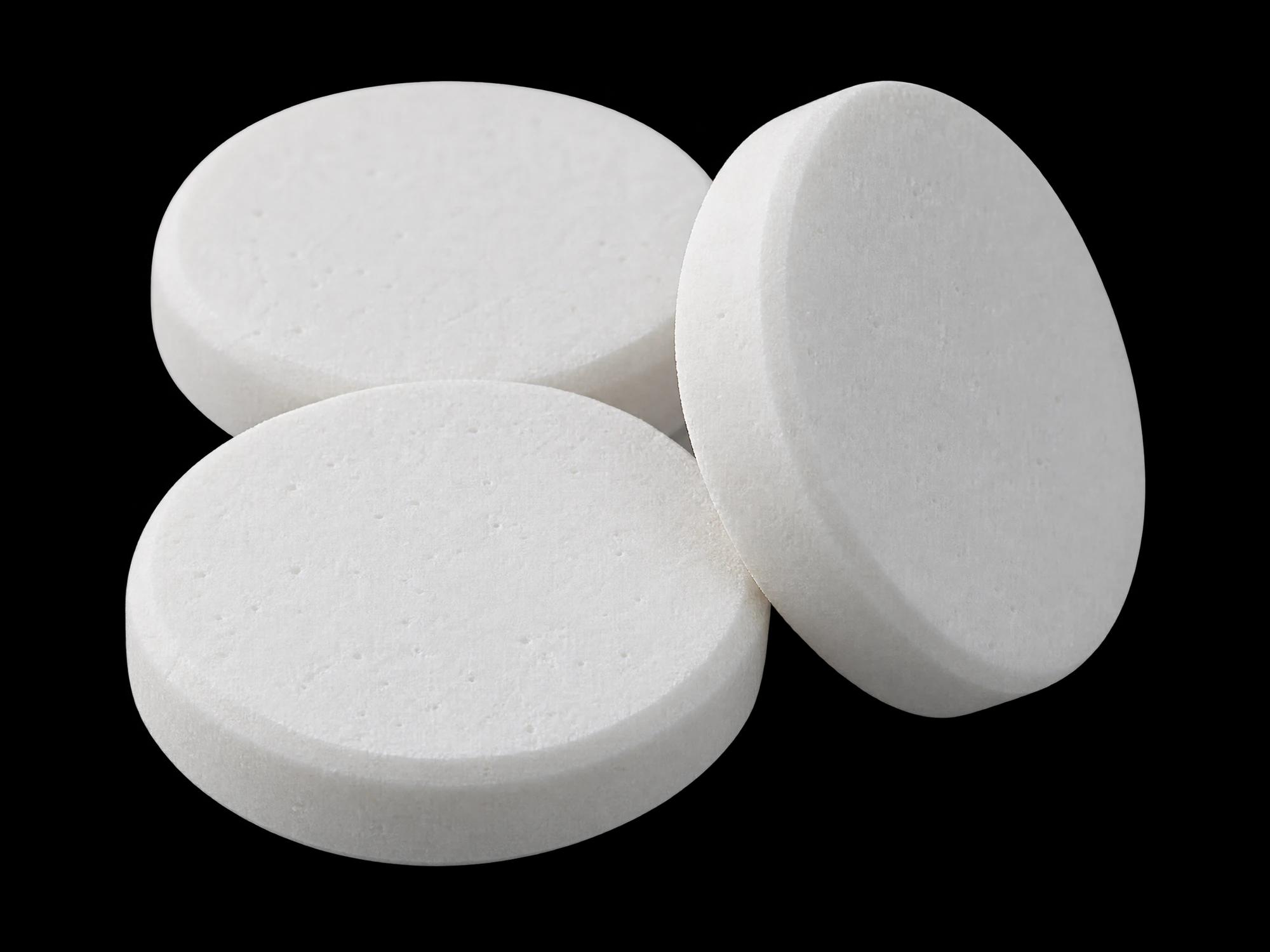
- Rapid dissolve tablet
- Route
- Sublingual/buccal
- Care area
- Drug class
- Peptide
- DEA schedule
- Non-controlled
- Storage
- Room temperature


Compounded and dispensed by an NABP-accredited, LegitScript-certified pharmacy. Verify accreditation (opens in a new tab)
About compounded medications
All formulations are patient-specific prescriptions compounded by Lake Hills Pharmacy under FDA section 503A. Individual ingredients are FDA-approved; compounded products are not reviewed by the FDA for safety, effectiveness, or quality. For licensed healthcare providers only.
Available Dosage Strengths
Rapid dissolve tablet
100 IU
Unit size: RDT
Clinical information
Boxed Warning
Pitocin labeling carries a boxed warning that it is not indicated for elective induction of labor (induction without a medical indication), because available data are inadequate to weigh benefits against risks.
Product Overview
Oxytocin Rapid Dissolve Tablet (RDT) is a nonsterile tablet that is placed under the tongue (sublingual) or against the cheek (buccal) to dissolve for transmucosal absorption. Lake Hills Pharmacy compounds it as a 503A pharmacy, pursuant to a patient-specific prescription.
Oxytocin is a nine-amino-acid posterior pituitary peptide hormone. Its FDA labeling covers injection only (reference product Pitocin, IV or IM), for antepartum induction or improvement of uterine contractions in specified obstetric situations and for postpartum control of bleeding. Prescribers use compounded oxytocin RDTs off-label; this route is not FDA labeled, and the compounded tablet is not FDA approved.
Active Ingredients & Strengths
- Oxytocin 100 IU rapid dissolve tablet.
Dosing & Administration
Place the tablet under the tongue or against the cheek and allow it to dissolve, as prescribed. There is no FDA-labeled sublingual or buccal dose of oxytocin; dosing is individualized by the prescriber.
Key Safety Information
- Boxed warning (Pitocin): oxytocin is not indicated for elective induction of labor, meaning induction without a medical indication.
- Contraindicated in hypersensitivity to oxytocin. Because oxytocin stimulates uterine contractions and milk ejection, this non-obstetric preparation is not for use in pregnancy, possible pregnancy or lactation. Do not use with other uterotonic agents such as prostaglandins.
- Oxytocin has antidiuretic activity; high or repeated doses can cause water retention and hyponatremia (headache, confusion, nausea, seizures).
- Hypersensitivity, nausea, headache, flushing, changes in heart rate and blood pressure can occur. Pitocin labeling warns of severe hypertension when given with vasopressors.
Storage, Stability & BUD
- Storage: room temperature, 20°C to 25°C (68°F to 77°F), away from heat, moisture and light.
- Beyond-use date: per the prescription label.
- USP default BUD for this dosage form: 180 days at controlled room temperature (nonsterile solid dosage form, USP <795>).
- Lake Hills may assign extended dating based on its own stability data.
Patient Counseling
Use this medication exactly as your prescriber directs. Do not change the amount or how often you use it without talking to your prescriber.
- Place the tablet under your tongue or against your cheek and let it dissolve fully; do not chew or swallow it whole unless your prescriber says to.
- Do not use this medicine if you are pregnant, may be pregnant or are breastfeeding. Call your prescriber for severe headache, confusion, unusual swelling or a pounding heartbeat.
References
- Pitocin (oxytocin injection, USP) Prescribing Information.
- USP General Chapter <795> Pharmaceutical Compounding: Nonsterile Preparations.
Active ingredients
Oxytocin
Peptide
Overview
Oxytocin is a nine-amino-acid neurohypophyseal peptide hormone. The FDA-approved product is oxytocin injection (Pitocin and generics), given intravenously or intramuscularly for obstetric indications. No FDA-approved oral, sublingual, buccal or nasal oxytocin product is marketed in the US. Lake Hills Pharmacy compounds oxytocin as a 503A pharmacy, pursuant to patient-specific prescriptions, in non-sterile preparations such as rapid dissolve tablets, alone or in combination.
Indications & Uses
- Pitocin (IV or IM), antepartum: to start or improve uterine contractions where there is a medical reason for induction or augmentation of labor, and as an adjunct in managing incomplete or inevitable abortion.
- Pitocin (IV or IM), postpartum: to produce uterine contractions during the third stage of labor and to control postpartum bleeding or hemorrhage.
- No FDA-labeled indication or dose exists for oxytocin by the oral, sublingual or nasal routes. Prescribers use compounded non-parenteral oxytocin outside obstetrics, including in sexual health combinations; dosing is individualized by the prescriber.
Mechanism of Action
Oxytocin binds the oxytocin receptor, a Gq-coupled receptor. Activation of phospholipase C raises intracellular calcium, contracting uterine smooth muscle and the myoepithelial cells of the breast (milk ejection). Uterine sensitivity rises sharply near term. Oxytocin also acts as a CNS neuropeptide involved in social and sexual behavior. Because it is structurally close to vasopressin, it has intrinsic antidiuretic activity at high doses.
Pharmacokinetics
After IV administration the plasma half-life is about 1 to 6 minutes, and uterine response begins almost at once. IM onset is 3 to 5 minutes. Oxytocin is cleared mainly by the liver and kidneys, and by placental oxytocinase during pregnancy; little is excreted unchanged in urine. As a peptide it is degraded by gastrointestinal proteases, so swallowed doses are largely inactivated. Absorption through the oral mucosa or nasal mucosa is limited and variable, and its pharmacokinetics by those routes are not well characterized.
Contraindications
- Hypersensitivity to oxytocin or any component of the preparation.
- Non-obstetric oral, sublingual or nasal preparations: pregnancy, possible pregnancy and lactation, given oxytocin's uterotonic and milk-ejection effects.
- Pitocin (obstetric) labeling also contraindicates use with significant cephalopelvic disproportion, unfavorable fetal position, obstetric emergencies favoring surgical delivery, fetal distress when delivery is not imminent, hypertonic or hyperactive uterine patterns, and conditions where vaginal delivery is contraindicated.
Warnings & Precautions
- Water intoxication: oxytocin's antidiuretic effect can cause fluid retention and hyponatremia, leading to seizures, coma and death, mainly with high doses given over long periods with large fluid volumes. Use caution in patients at risk of hyponatremia or with fluid-balance disorders.
- Cardiovascular: hypotension, reflex tachycardia, arrhythmias and myocardial ischemia are reported with IV use, especially rapid bolus; hypertensive episodes and subarachnoid hemorrhage are reported in obstetric use. Use caution with cardiovascular disease.
- Obstetric use: uterine hyperstimulation can cause uterine rupture and fetal harm; Pitocin should be given only in a hospital setting with qualified personnel.
- Hypersensitivity: anaphylaxis has been reported.
Drug Interactions
- Vasoconstrictors and sympathomimetics: severe hypertension has been reported when oxytocin was given after a prophylactic vasoconstrictor with caudal block anesthesia.
- Prostaglandins such as dinoprostone and misoprostol potentiate the uterotonic effect.
- Inhalation anesthetics such as halothane and cyclopropane may reduce the uterine response and have been associated with hypotension and arrhythmias.
- Drugs that cause fluid retention or hyponatremia (for example desmopressin, thiazide diuretics, carbamazepine, SSRIs) may add to oxytocin's antidiuretic effect.
Adverse Effects
Labeled maternal adverse reactions with parenteral use include nausea, vomiting, anaphylaxis, cardiac arrhythmias, premature ventricular contractions, hypertensive episodes, subarachnoid hemorrhage, postpartum hemorrhage, pelvic hematoma, uterine rupture and water intoxication. Fetal and neonatal effects in obstetric use include bradycardia, arrhythmias, jaundice and retinal hemorrhage. Safety data for chronic low-dose oral, sublingual or nasal use are limited; headache and nasal irritation are reported in nasal studies.
Pregnancy & Lactation
Oxytocin is a uterotonic. Outside obstetric care under medical supervision, it should not be used in pregnancy or in anyone who may become pregnant. Oxytocin acts on milk ejection and small amounts appear in human milk; non-obstetric compounded preparations are not for use during lactation.
Monitoring
In obstetric use, monitor uterine contractions, fetal heart rate, maternal blood pressure, and fluid intake and output. For non-obstetric preparations, confirm pregnancy status before starting in anyone who could be pregnant, and check serum sodium if symptoms of hyponatremia appear (headache, confusion, nausea, seizures). Monitor blood pressure and heart rate in patients with cardiovascular disease.
References
- Pitocin (oxytocin injection, USP) Prescribing Information.
- USP General Chapter <795> Pharmaceutical Compounding, Nonsterile Preparations.
Ask a pharmacist
Are compounded medications FDA approved?
All formulations are patient-specific prescriptions compounded by Lake Hills Pharmacy under FDA section 503A. Individual ingredients are FDA-approved; compounded products are not reviewed by the FDA for safety, effectiveness, or quality. For licensed healthcare providers only.
How do I get a prescription filled here?
You can have your doctor send prescriptions to us any time. We also transfer your medications from another pharmacy. Our pharmacy accepts all major insurance plans.
Can you ship this medication to my state?
It depends on the medication and on your state. Whether we can dispense or ship a medication to you depends on the laws and board of pharmacy rules of your state and on our licensure there. We confirm availability when we receive a prescription.
These answers cover the basics. For anything about a formula, a strength or a prescription, contact our pharmacists.
Mon - Fri: 8:30am - 6:30pm CTSaturday: 9:00am - 2:00pm CTSunday: Closed
12005 Bee Cave Rd, Suite 1-A, Austin, TX 78738