
- Active ingredients
- Dosage form
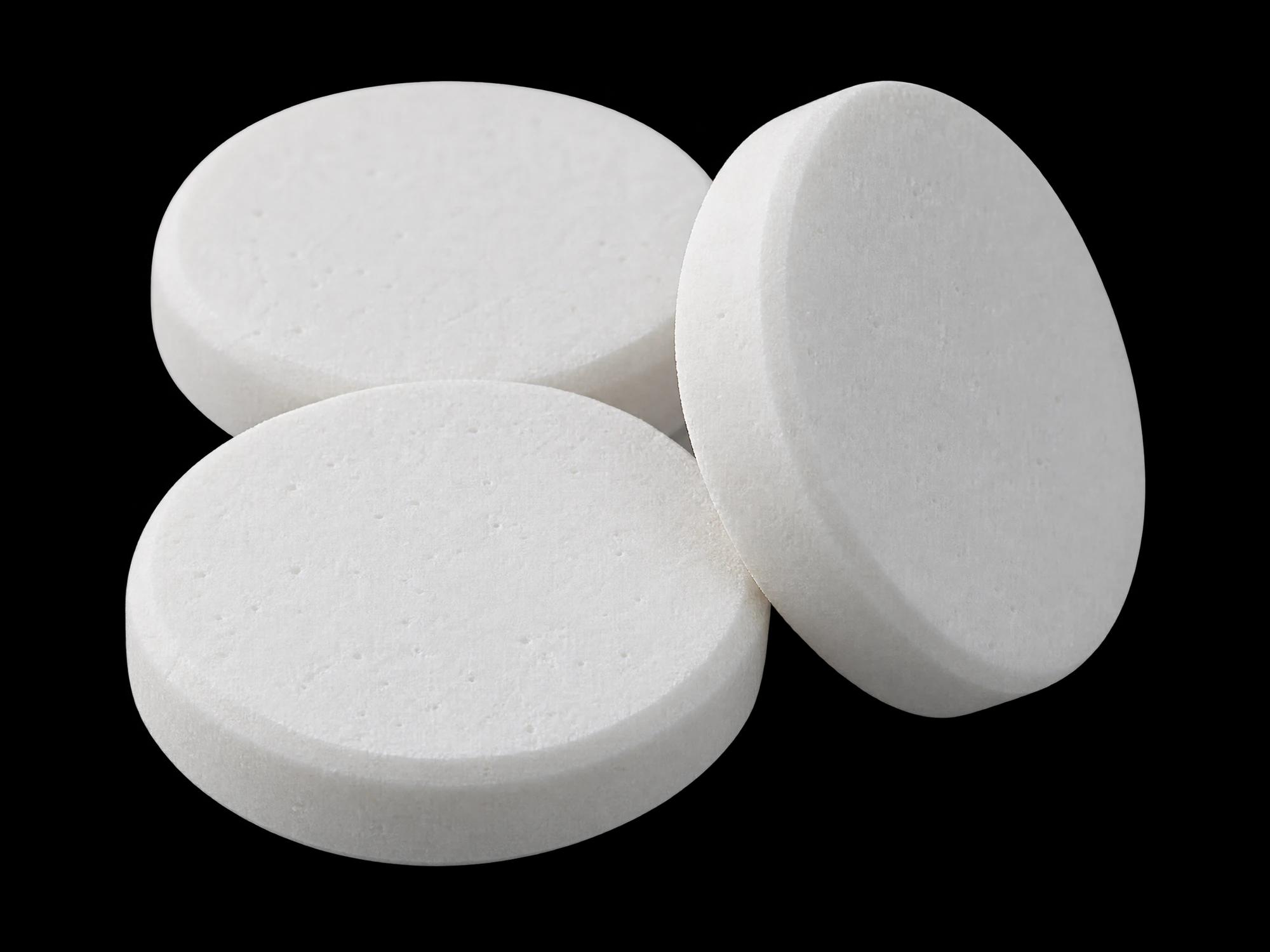
- Rapid dissolve tablet
- Route
- Sublingual/buccal
- Care area
- Drug class
- Other
- DEA schedule
- Non-controlled


Compounded and dispensed by an NABP-accredited, LegitScript-certified pharmacy. Verify accreditation (opens in a new tab)
About compounded medications
All formulations are patient-specific prescriptions compounded by Lake Hills Pharmacy under FDA section 503A. Individual ingredients are FDA-approved; compounded products are not reviewed by the FDA for safety, effectiveness, or quality. For licensed healthcare providers only.
Available Dosage Strengths
Strengths are compounded to the prescriber's order.
Clinical information
Boxed Warning
Serotonin syndrome with concomitant use of serotonergic drugs and opioids. Methylene blue can cause serious or fatal serotonin syndrome when used with serotonergic drugs and opioids. Avoid concomitant use with selective serotonin reuptake inhibitors (SSRIs), serotonin and norepinephrine reuptake inhibitors (SNRIs), monoamine oxidase inhibitors and opioids.
The risk follows from potent MAO-A inhibition and is not limited to high intravenous doses; serotonin toxicity has been reported at doses near 1 mg/kg. If concomitant use cannot be avoided, use the lowest dose and monitor closely for serotonin syndrome.
Product Overview
Methylene Blue Rapid Dissolve Tablet (RDT), a nonsterile tablet of methylene blue (methylthioninium chloride) that dissolves under the tongue or against the cheek (sublingual and buccal). Lake Hills Pharmacy compounds this preparation as a 503A pharmacy, pursuant to a patient-specific prescription.
Methylene blue is FDA approved only as an intravenous injection, ProvayBlue (methylene blue injection) 0.5%, for acquired methemoglobinemia in pediatric and adult patients. No oral methylene blue product is FDA approved. Prescribers use compounded oral methylene blue for off-label purposes they determine. Oral preparations are not a substitute for intravenous therapy in acute acquired methemoglobinemia.
Active Ingredients & Strengths
- Methylene blue (methylthioninium chloride), rapid dissolve tablet.
Strength is set on each prescription; contact Lake Hills Pharmacy for available strengths.
Dosing & Administration
Given sublingually or buccally as prescribed. No FDA-labeled dose exists for this route; dosing is individualized by the prescriber. The only labeled dose of methylene blue is the intravenous ProvayBlue dose for methemoglobinemia, which does not apply to oral use.
The tablet is placed under the tongue or against the cheek and allowed to dissolve, as the prescriber directs. Methylene blue temporarily stains the tongue, mouth and teeth blue.
Key Safety Information
- Boxed warning (ProvayBlue): serious or fatal serotonin syndrome can occur when methylene blue is used with serotonergic drugs and opioids. Avoid use with SSRIs, SNRIs, MAO inhibitors and opioids. Methylene blue is a potent, reversible MAO-A inhibitor; the risk is not limited to high intravenous doses, and serotonin toxicity has been reported near 1 mg/kg.
- Other serotonergic agents carry similar risk, including clomipramine and other tricyclics, bupropion, buspirone, mirtazapine, linezolid, triptans, lithium, tramadol, meperidine, methadone, St. John's wort and tryptophan.
- Contraindicated in severe hypersensitivity to methylene blue or any other thiazine dye, and in G6PD deficiency because of the risk of hemolytic anemia. Hemolysis can occur in other patients too; G6PD status is checked in at-risk patients.
- Methylene blue colors urine and stool blue-green and can discolor skin. It interferes with pulse oximetry readings. Dizziness, confusion and visual disturbance can impair driving.
- Use caution in renal impairment and avoid in severe renal impairment.
- Pregnancy and lactation: ProvayBlue labeling states methylene blue may cause fetal harm; intra-amniotic use has been linked to intestinal atresia and fetal death. Avoid in pregnancy. Labeling advises against breastfeeding during treatment and for a period afterward.
Storage, Stability & BUD
- Storage: 20 to 25 °C (68 to 77 °F), the labeled storage for methylene blue, in a tightly closed container protected from light and moisture.
- Beyond-use date: per the prescription label.
- USP default BUD for this dosage form: 180 days (USP <795> nonsterile solid preparation), at controlled room temperature.
- Lake Hills may assign extended dating based on its own stability data.
Patient Counseling
- Use this medication exactly as your prescriber directs. Do not change the dose on your own.
- Before starting, tell your prescriber about every medicine and supplement you take, especially antidepressants, anxiety or migraine medicines, opioid pain medicines and St. John's wort. Check with your prescriber or pharmacist before starting any new medicine.
- Seek emergency care for agitation, confusion, fever, heavy sweating, fast heartbeat, muscle twitching or stiffness, or tremor, which can be signs of serotonin syndrome.
- Your urine, and sometimes stool, will turn blue-green; this is expected. Report dark urine, yellowing of the skin or eyes, unusual tiredness or shortness of breath.
- Methylene blue can cause dizziness or confusion. Do not drive until you know how it affects you.
- Tell your prescriber if you are pregnant, planning pregnancy or breastfeeding.
- Place the tablet under your tongue or against your cheek and let it dissolve as directed. Blue staining of the mouth and teeth is temporary. Keep out of reach of children.
References
- ProvayBlue (methylene blue injection) 0.5% Prescribing Information, Provepharm.
- FDA Drug Safety Communication: Serious CNS reactions possible when methylene blue is given to patients taking certain psychiatric medications (2011).
- USP General Chapter <795> Pharmaceutical Compounding: Nonsterile Preparations.
Active ingredients
Methylene Blue
Overview
Methylene blue (methylthioninium chloride) is a thiazine dye with redox activity. The only FDA-approved product is ProvayBlue (methylene blue injection) 0.5%, for intravenous use. Methylene blue is also used as a bulk drug substance in compounded oral capsules and rapid-dissolve tablets, and as a diagnostic and surgical dye.
Indications & Uses
ProvayBlue is indicated for pediatric and adult patients with acquired methemoglobinemia. Labeled dosing, as prescribed, is 1 mg/kg intravenously over 5 to 30 minutes; the labeling permits a repeat dose if methemoglobinemia persists.
No oral methylene blue product is FDA approved, and no FDA-labeled oral dose exists; oral dosing is individualized by the prescriber. Prescribers use compounded oral methylene blue for off-label purposes they determine. Intravenous methylene blue is also used off label in hospitals, for example in vasoplegia and ifosfamide-associated encephalopathy. Oral preparations are not used to treat acute acquired methemoglobinemia.
Mechanism of Action
At low concentrations, methylene blue is reduced by NADPH-dependent methemoglobin reductase to leucomethylene blue, which reduces methemoglobin (Fe3+) back to hemoglobin (Fe2+). The pathway needs NADPH from the pentose phosphate pathway, which depends on G6PD; in G6PD deficiency the drug may not work and can cause hemolysis. At high concentrations methylene blue can itself oxidize hemoglobin and cause methemoglobinemia.
Methylene blue is a potent, reversible inhibitor of monoamine oxidase A, the basis of its serotonin-syndrome risk. It also inhibits nitric oxide synthase and soluble guanylate cyclase. In preclinical studies it can act as an alternative electron carrier in mitochondria; this is a hypothesis, and clinical benefit in humans has not been established.
Pharmacokinetics
After intravenous dosing, methylene blue distributes widely and is reduced to leucomethylene blue; ProvayBlue labeling reports a prolonged terminal half-life. Oral doses are absorbed, with bioavailability reported around 70% in healthy volunteers and wide variability. Methylene blue, leucomethylene blue and metabolites are eliminated in urine and bile, coloring urine and feces blue-green; renal elimination is substantial. In vitro, methylene blue inhibits several CYP enzymes and drug transporters; clinical relevance for chronic oral use is not well defined.
Contraindications
- Severe hypersensitivity to methylene blue or any other thiazine dye, or to any component of the preparation.
- G6PD deficiency, because of the risk of hemolytic anemia.
Warnings & Precautions
- Serotonin syndrome: see Boxed Warning. Signs include mental status changes, autonomic instability and neuromuscular symptoms; discontinue and treat supportively.
- Hemolytic anemia: methylene blue is contraindicated in G6PD deficiency; screen at-risk patients and monitor hemoglobin.
- Hypersensitivity, including anaphylaxis, angioedema, urticaria and bronchospasm.
- Methemoglobinemia: high doses can cause methemoglobinemia, and acquired methemoglobinemia may not respond in G6PD or NADPH reductase deficiency.
- Interference with pulse oximetry: methylene blue can falsely lower SpO2 readings; use arterial blood gas or co-oximetry when oxygenation must be measured.
- CNS effects: dizziness, confusion and visual disturbance can impair driving or operating machinery.
- Renal impairment: use caution; avoid in severe renal impairment.
Drug Interactions
- Serotonergic drugs: SSRIs, SNRIs, MAO inhibitors including linezolid, clomipramine and other tricyclics, bupropion, buspirone, mirtazapine, triptans, lithium, St. John's wort and tryptophan. Avoid; see Boxed Warning.
- Opioids, especially those with serotonergic activity such as tramadol, meperidine, methadone, fentanyl and tapentadol: avoid concomitant use.
- CYP and transporter substrates with a narrow therapeutic index: in vitro inhibition data exist; monitor when used together.
Adverse Effects
Reactions reported with ProvayBlue include pain in the extremity, blue-green urine (chromaturia), altered taste, feeling hot, dizziness, sweating, nausea, skin discoloration and headache. Other reported effects include vomiting, abdominal pain, diarrhea, dysuria and bladder irritation, anxiety, confusion, tremor, chest pain, hypertension, hemolysis and blue discoloration of skin and mucous membranes. Larger doses raise the risk of hemolysis, methemoglobinemia and CNS toxicity.
Pregnancy & Lactation
Pregnancy: ProvayBlue labeling states that methylene blue may cause fetal harm. Intra-amniotic injection in the second trimester has been associated with neonatal intestinal atresia and fetal death, and animal studies showed adverse developmental effects. Avoid use in pregnancy unless the prescriber judges that the benefit outweighs the risk; methemoglobinemia in pregnancy is itself a risk to mother and fetus.
Lactation: there is no information on methylene blue in human milk. Because of the potential for serious adverse reactions, including genotoxicity, ProvayBlue labeling advises discontinuing breastfeeding during treatment and for up to 8 days after the last dose.
Monitoring
- Before therapy: full medication review for serotonergic drugs and opioids, G6PD status in at-risk patients, and pregnancy status.
- During therapy: signs of serotonin syndrome, CNS effects, hemolysis and hypersensitivity. Pulse oximetry is unreliable; use co-oximetry or arterial blood gas when oxygenation must be measured.
- Renal function in patients with renal impairment.
References
- ProvayBlue (methylene blue injection) 0.5% Prescribing Information, Provepharm.
- FDA Drug Safety Communication: Serious CNS reactions possible when methylene blue is given to patients taking certain psychiatric medications (2011).
Ask a pharmacist
Are compounded medications FDA approved?
All formulations are patient-specific prescriptions compounded by Lake Hills Pharmacy under FDA section 503A. Individual ingredients are FDA-approved; compounded products are not reviewed by the FDA for safety, effectiveness, or quality. For licensed healthcare providers only.
How do I get a prescription filled here?
You can have your doctor send prescriptions to us any time. We also transfer your medications from another pharmacy. Our pharmacy accepts all major insurance plans.
Can you ship this medication to my state?
It depends on the medication and on your state. Whether we can dispense or ship a medication to you depends on the laws and board of pharmacy rules of your state and on our licensure there. We confirm availability when we receive a prescription.
These answers cover the basics. For anything about a formula, a strength or a prescription, contact our pharmacists.
Mon - Fri: 8:30am - 6:30pm CTSaturday: 9:00am - 2:00pm CTSunday: Closed
12005 Bee Cave Rd, Suite 1-A, Austin, TX 78738