
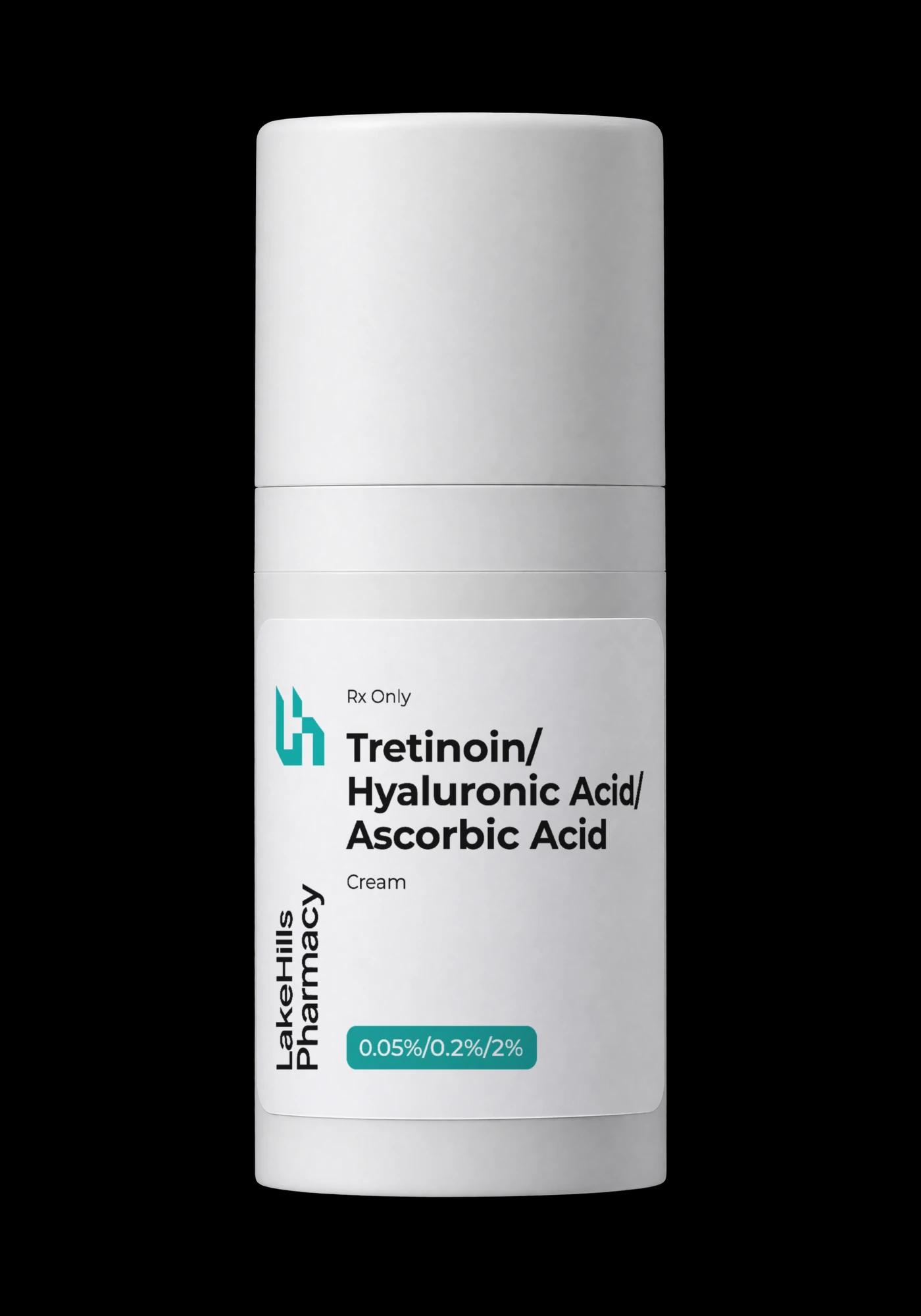
Tretinoin/
- Dermatology
- Cream
- Rx only
- Active ingredients
- Dosage form
- Cream
- Route
- Topical
- Care area
- Drug class
- Retinoid, Dermatologic agent, Vitamin / Nutrient
- DEA schedule
- Non-controlled
- Storage
- Room temperature


Compounded and dispensed by an NABP-accredited, LegitScript-certified pharmacy. Verify accreditation (opens in a new tab)
About compounded medications
All formulations are patient-specific prescriptions compounded by Lake Hills Pharmacy under FDA section 503A. Individual ingredients are FDA-approved; compounded products are not reviewed by the FDA for safety, effectiveness, or quality. For licensed healthcare providers only.
Available Dosage Strengths
Cream
0.05%/
0.2%/ 2% Unit size: 30 g
Clinical information
Boxed Warning · Tretinoin
The boxed warning applies to oral tretinoin capsules only. Topical tretinoin products, including the topical preparations Lake Hills compounds, do not carry it. Oral capsule boxed warning: differentiation syndrome, which can be fatal, occurs in APL patients; at the first signs start corticosteroids and hemodynamic monitoring. Embryo-fetal toxicity: tretinoin can cause severe birth defects; exclude pregnancy before starting, use reliable contraception during and after treatment, and stop if pregnancy occurs.
Product Overview
Tretinoin / Hyaluronic Acid / Ascorbic Acid Cream is a nonsterile topical cream compounded by Lake Hills Pharmacy as a 503A pharmacy pursuant to a patient-specific prescription.
Topical tretinoin is FDA-labeled for acne vulgaris (Retin-A) and, as Renova, as an adjunct to mitigate fine facial wrinkles, mottled hyperpigmentation and tactile roughness in patients using comprehensive skin care and sun avoidance. Hyaluronic acid is a humectant and ascorbic acid is an antioxidant. Prescribers use this compounded combination for photoaging and uneven pigmentation.
Active Ingredients & Strengths
- Tretinoin 0.05% / hyaluronic acid 0.2% / ascorbic acid 2% topical cream, 30 g.
Dosing & Administration
Apply as prescribed, usually once daily at bedtime, as a thin layer to clean, dry skin. This matches the labeled bedtime use of topical tretinoin. Avoid the eyes, lips, corners of the nose and broken or sunburned skin.
Key Safety Information
- Contraindication: hypersensitivity to any ingredient.
- Tretinoin: redness, dryness, peeling, stinging and photosensitivity. Avoid sunburn and excess sun, use sunscreen, and avoid other drying, abrasive or keratolytic products unless prescribed. Do not apply to eczematous or sunburned skin.
- Ascorbic acid can sting and may darken the cream as it oxidizes.
- Pregnancy: topical tretinoin is not recommended in pregnancy. Breastfeeding: consult the prescriber.
Storage, Stability & BUD
Storage: room temperature, protected from light, heat and moisture; keep the container closed. Ascorbic acid oxidizes with air and light; keep tightly closed and protected from light, and follow the label if it specifies refrigeration.
Beyond-use date: per the prescription label.
USP default BUD (USP <795>): 35 days at controlled room temperature or refrigerated for a preserved aqueous preparation, 14 days refrigerated for a nonpreserved aqueous preparation, or 90 days for a nonaqueous preparation; the category follows the Lake Hills base and vehicle.
Lake Hills may assign extended dating based on its own stability data.
Patient Counseling
Use this cream exactly as your prescriber directs. Use sunscreen daily and limit sun exposure. Some dryness and peeling are expected early on; contact your prescriber if irritation is severe. Do not use if you are pregnant or trying to become pregnant without talking to your prescriber. Contact Lake Hills Pharmacy if the cream changes color noticeably.
References
- Retin-A (tretinoin) cream and gel Prescribing Information.
- Renova (tretinoin) cream Prescribing Information.
- USP General Chapter <795> Pharmaceutical Compounding: Nonsterile Preparations.
Active ingredients
Tretinoin
Retinoid
Overview
Tretinoin (all-trans retinoic acid) is a retinoid. FDA-approved topical products include Retin-A cream and gel, Renova emollient cream, Atralin gel, Altreno lotion and Tri-Luma cream (with hydroquinone and fluocinolone). Oral tretinoin capsules are approved for acute promyelocytic leukemia. Lake Hills Pharmacy compounds topical tretinoin preparations as a 503A pharmacy on patient-specific prescriptions.
Indications & Uses
- Topical (Retin-A, Atralin, Altreno): acne vulgaris.
- Topical (Renova 0.02% and 0.05%): adjunct for mitigation of fine facial wrinkling, mottled hyperpigmentation and roughness associated with chronic sun exposure, with sun avoidance.
- Topical (Tri-Luma): short-term treatment of moderate to severe facial melasma, in combination.
- Oral capsules: induction of remission in acute promyelocytic leukemia (APL) with the t(15;17) translocation or PML/RARA gene.
- Prescribers use compounded topical tretinoin, alone or with other agents, for acne, photoaging and hyperpigmentation.
Mechanism of Action
Tretinoin binds nuclear retinoic acid receptors (RAR-alpha, beta, gamma), altering gene transcription. In skin it increases epidermal cell turnover, reduces cohesion of follicular keratinocytes, normalizes follicular keratinization and promotes dispersion of melanin granules. In APL it induces differentiation of leukemic promyelocytes.
Pharmacokinetics
Topical: systemic absorption is minimal, and plasma retinoid levels stay within the endogenous range in labeled studies. Oral: peak levels occur in 1 to 2 hours, elimination half-life is short (about 0.5 to 2 hours), and metabolism through CYP26 and CYP3A4 induces its own clearance with continued dosing.
Contraindications
- Hypersensitivity to tretinoin, other retinoids or any component of the preparation (oral capsules: also parabens).
Warnings & Precautions
- Topical: local irritation (erythema, peeling, dryness, burning) is common; reduce frequency or stop if severe. Avoid eyes, mouth, nasal folds and mucous membranes, and do not apply to eczematous, sunburned or broken skin.
- Photosensitivity: minimize sun and UV exposure and use sunscreen and protective clothing. Weather extremes such as wind or cold may increase irritation.
- Oral: leukocytosis, pseudotumor cerebri (risk rises with tetracyclines), hyperlipidemia, elevated liver enzymes, and thrombosis risk.
Drug Interactions
- Topical: additive irritation with keratolytics (salicylic acid, sulfur, resorcinol), astringents, alcohol-containing products and abrasive cleansers; benzoyl peroxide can degrade some tretinoin formulations. Use caution with photosensitizing drugs such as thiazides, tetracyclines, fluoroquinolones, phenothiazines and sulfonamides.
- Oral: CYP3A4 inhibitors and inducers alter exposure; antifibrinolytics such as tranexamic acid increase thrombotic risk; tetracyclines increase the risk of pseudotumor cerebri; avoid vitamin A supplements.
Adverse Effects
Topical: erythema, peeling, dryness, burning, stinging, pruritus, temporary hyper- or hypopigmentation and photosensitivity. Oral: headache, fever, dry skin and mucous membranes, bone pain, nausea, hyperlipidemia, liver enzyme elevation and differentiation syndrome.
Pregnancy & Lactation
Oral tretinoin causes fetal harm and requires pregnancy exclusion and contraception. Topical tretinoin labeling reports limited human data; systemic absorption is low, but isolated reports of birth defects exist and many prescribers avoid topical retinoids in pregnancy. It is not known whether topical tretinoin passes into breast milk; oral labeling advises against breastfeeding during treatment and for 1 week after the last dose.
Monitoring
Topical: skin tolerability and photosensitivity at intervals set by the prescriber; confirm pregnancy status and plans. Oral: complete blood counts, coagulation, lipids, liver tests, pregnancy testing and signs of differentiation syndrome.
References
- Retin-A (tretinoin) Cream and Gel Prescribing Information.
- Renova (tretinoin) Cream 0.02% Prescribing Information.
- Tri-Luma (fluocinolone acetonide 0.01%, hydroquinone 4%, tretinoin 0.05%) Cream Prescribing Information, Galderma Laboratories.
- Tretinoin Capsules, 10 mg, Prescribing Information (generic labeling).
- Lexicomp Drug Information, Wolters Kluwer.
Hyaluronic Acid
Dermatologic agent
Overview
Hyaluronic acid (hyaluronan; sodium hyaluronate as the salt) is a naturally occurring glycosaminoglycan made of repeating units of glucuronic acid and N-acetylglucosamine. FDA regulates hyaluronic acid products mainly as medical devices: injectable dermal fillers, intra-articular viscosupplements, ophthalmic viscosurgical devices and some topical wound dressings. It is also a common cosmetic ingredient. Compounding pharmacies use it as a humectant component of topical preparations.
Indications & Uses
Device uses cleared or approved by FDA include correction of facial wrinkles and folds and lip augmentation (dermal fillers), knee osteoarthritis pain (intra-articular viscosupplements) and protection of eye tissues during ophthalmic surgery. In compounded topical preparations, prescribers include hyaluronic acid as a humectant to support skin hydration, often alongside retinoids.
Mechanism of Action
Hyaluronic acid binds large amounts of water, forming a viscoelastic film on the skin surface and holding moisture in the stratum corneum. In tissues it contributes to the extracellular matrix, lubrication and tissue hydration and interacts with cell-surface receptors such as CD44. Effects depend on molecular weight: high-molecular-weight forms stay mainly on the skin surface, while lower-molecular-weight fragments penetrate the outer skin layers to a limited degree.
Pharmacokinetics
Topically applied high-molecular-weight hyaluronic acid has minimal systemic absorption. Endogenous hyaluronan turns over rapidly, with a half-life of about one day in skin, and is degraded by hyaluronidases and reactive oxygen species; fragments are cleared through the lymphatics and metabolized in the liver. Cross-linked injectable devices persist for months because cross-linking slows enzymatic breakdown.
Contraindications
- Hypersensitivity to hyaluronic acid or any component of the preparation.
- For avian-derived hyaluronic acid (some devices), allergy to avian proteins, feathers or eggs; most current products are made by bacterial fermentation.
Warnings & Precautions
- Topical use is generally well tolerated; irritation is more often caused by other actives in a combination, such as tretinoin.
- Do not apply to infected or broken skin unless directed.
- Injectable dermal fillers carry device warnings, including unintentional injection into blood vessels that can cause skin necrosis, vision loss and stroke. FDA has warned against use of needle-free devices to inject hyaluronic acid fillers.
- Intra-articular products: use caution with infection or skin disease at the injection site.
Drug Interactions
No clinically important drug interactions are known for topical use. Hyaluronidase degrades hyaluronic acid and is used to dissolve hyaluronic acid fillers. Quaternary ammonium disinfectants such as benzalkonium chloride can precipitate sodium hyaluronate, which matters for formulation and device labeling.
Adverse Effects
Topical: rare mild irritation, redness or itching. Dermal fillers: swelling, bruising, tenderness, nodules, delayed inflammatory reactions and rare vascular occlusion. Intra-articular injection: injection-site pain, joint swelling and effusion.
Pregnancy & Lactation
No data exist for compounded topical use in pregnancy or lactation. Hyaluronic acid is an endogenous substance and topical systemic exposure is expected to be minimal. In combination products, the other actives (for example tretinoin) usually determine pregnancy guidance.
Monitoring
- Topical use: local tolerability.
- No laboratory monitoring is required.
References
- European Pharmacopoeia monograph: Sodium Hyaluronate.
- Martindale: The Complete Drug Reference (hyaluronic acid).
- USP General Chapter <795> Pharmaceutical Compounding: Nonsterile Preparations.
Ascorbic Acid
Vitamin / Nutrient
Overview
Ascorbic acid (vitamin C) is an essential water-soluble vitamin and antioxidant. FDA-approved forms include ascorbic acid injection (Ascor). Oral vitamin C is widely sold as a dietary supplement, and L-ascorbic acid is used in topical skin preparations. Lake Hills Pharmacy uses ascorbic acid as an ingredient in compounded preparations, as a 503A pharmacy on patient-specific prescriptions.
Indications & Uses
Ascor (ascorbic acid injection) is FDA labeled for short-term (up to 1 week) treatment of scurvy in adults and pediatric patients 5 months and older when oral administration is not possible, insufficient or contraindicated. Prescribers use topical ascorbic acid in compounded skin preparations, often with other depigmenting agents, as an antioxidant and tyrosinase-modulating ingredient. There is no FDA-labeled topical indication.
Mechanism of Action
Ascorbic acid is an electron donor. It is a cofactor for enzymes including prolyl and lysyl hydroxylases needed for collagen synthesis, and for enzymes in carnitine and catecholamine synthesis. It scavenges reactive oxygen species and regenerates vitamin E. In skin it reduces dopaquinone and interacts with copper at the tyrosinase active site, which lowers melanin formation.
Pharmacokinetics
Oral absorption occurs by saturable sodium-dependent transport (SVCT1), so the fraction absorbed falls as the dose rises, and plasma concentrations plateau with high oral intake. Intravenous dosing bypasses this limit. Ascorbic acid is oxidized to dehydroascorbic acid and metabolized in part to oxalate; amounts above the renal threshold are excreted in urine. Topical L-ascorbic acid penetrates skin most readily at low pH and is unstable in air and light, oxidizing and discoloring over time.
Contraindications
- Known hypersensitivity to ascorbic acid or any component of the preparation.
Warnings & Precautions
- Oxalate nephropathy and kidney stones: high doses, particularly intravenous, increase urinary oxalate. Use caution in renal impairment, prior oxalate stones or hyperoxaluria.
- Hemolysis: high doses can cause hemolysis in patients with G6PD deficiency. Screen at-risk patients before high-dose systemic use.
- Laboratory interference: high plasma concentrations can falsely raise point-of-care glucose meter readings and interfere with other assays, including some urine glucose and fecal occult blood tests.
- Iron overload: ascorbic acid increases nonheme iron absorption; use caution in hemochromatosis and other iron overload states.
- Topical use: stinging, erythema and dryness can occur, especially at low pH or on sensitized skin.
Drug Interactions
- Deferoxamine: in iron-overloaded patients, adding ascorbic acid has been associated with impaired cardiac function; deferoxamine labeling advises limiting the dose and timing.
- Iron: oral ascorbic acid enhances absorption of nonheme iron.
- Urinary acidification with large doses may alter renal excretion of some weakly acidic or basic drugs.
- No clinically important interactions are established for topical use.
Adverse Effects
Systemic: nausea, abdominal cramps and diarrhea with large oral doses; injection-site pain; dizziness and flushing with infusion; kidney stones and oxalate nephropathy at high doses; hemolysis in G6PD deficiency. Topical: stinging, redness, dryness and, rarely, contact dermatitis or yellow discoloration of skin or hair.
Pregnancy & Lactation
Ascorbic acid crosses the placenta and passes into breast milk. Intake at nutritional levels is considered compatible with pregnancy and breastfeeding. Data on high-dose systemic use are limited; it is a prescriber decision. Topical use is not expected to change systemic levels meaningfully.
Monitoring
For systemic high-dose use: renal function, G6PD status where indicated, and awareness of glucose meter interference. For topical use: skin tolerability at intervals set by the prescriber.
References
- Ascor (ascorbic acid injection) Prescribing Information, McGuff Pharmaceuticals.
- Desferal (deferoxamine mesylate) for Injection Prescribing Information, Novartis.
- Lexicomp Drug Information, Wolters Kluwer.
More in Dermatology
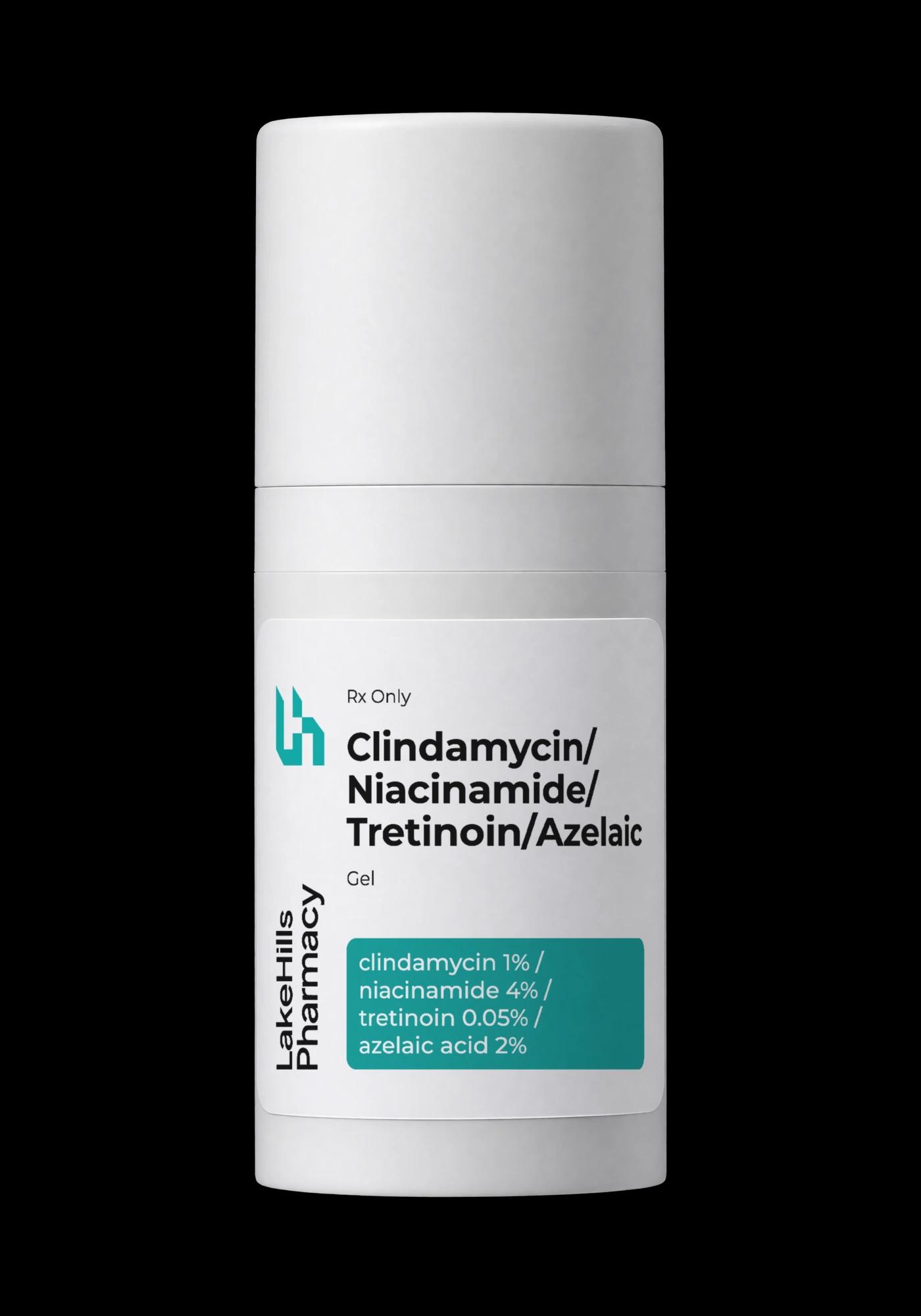
- Clindamycin/
Niacinamide/ Tretinoin/ AzelaicClindamycin/ Niacinamide/ Tretinoin/ Azelaic AcidDermatology · Gel · TopicalRx only - HQ/
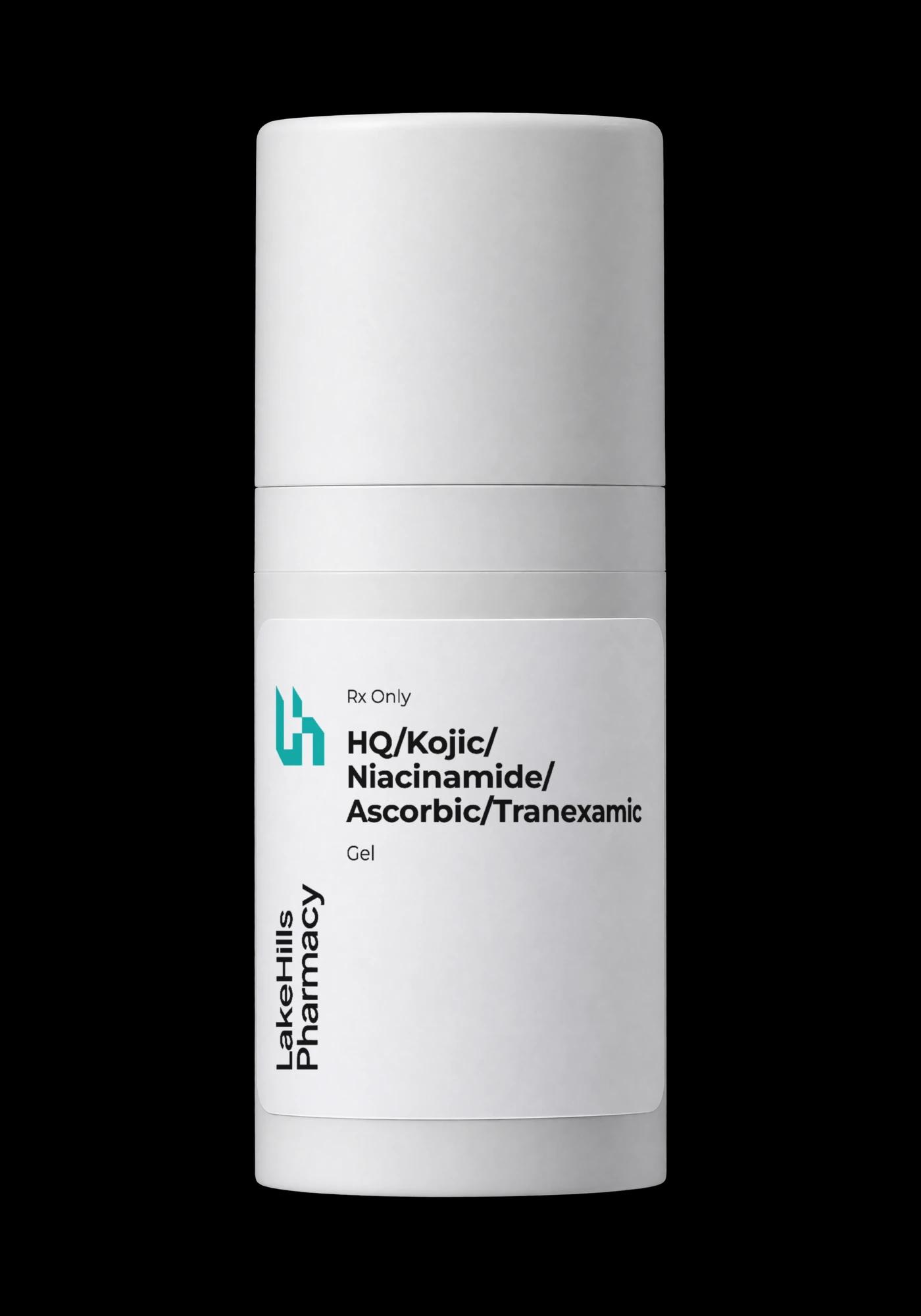
Kojic/ Niacinamide/ Ascorbic/ TranexamicHydroquinone/ Kojic Acid/ Niacinamide/ Ascorbic Acid/ Tranexamic AcidDermatology · Gel · TopicalRx only - HQ/
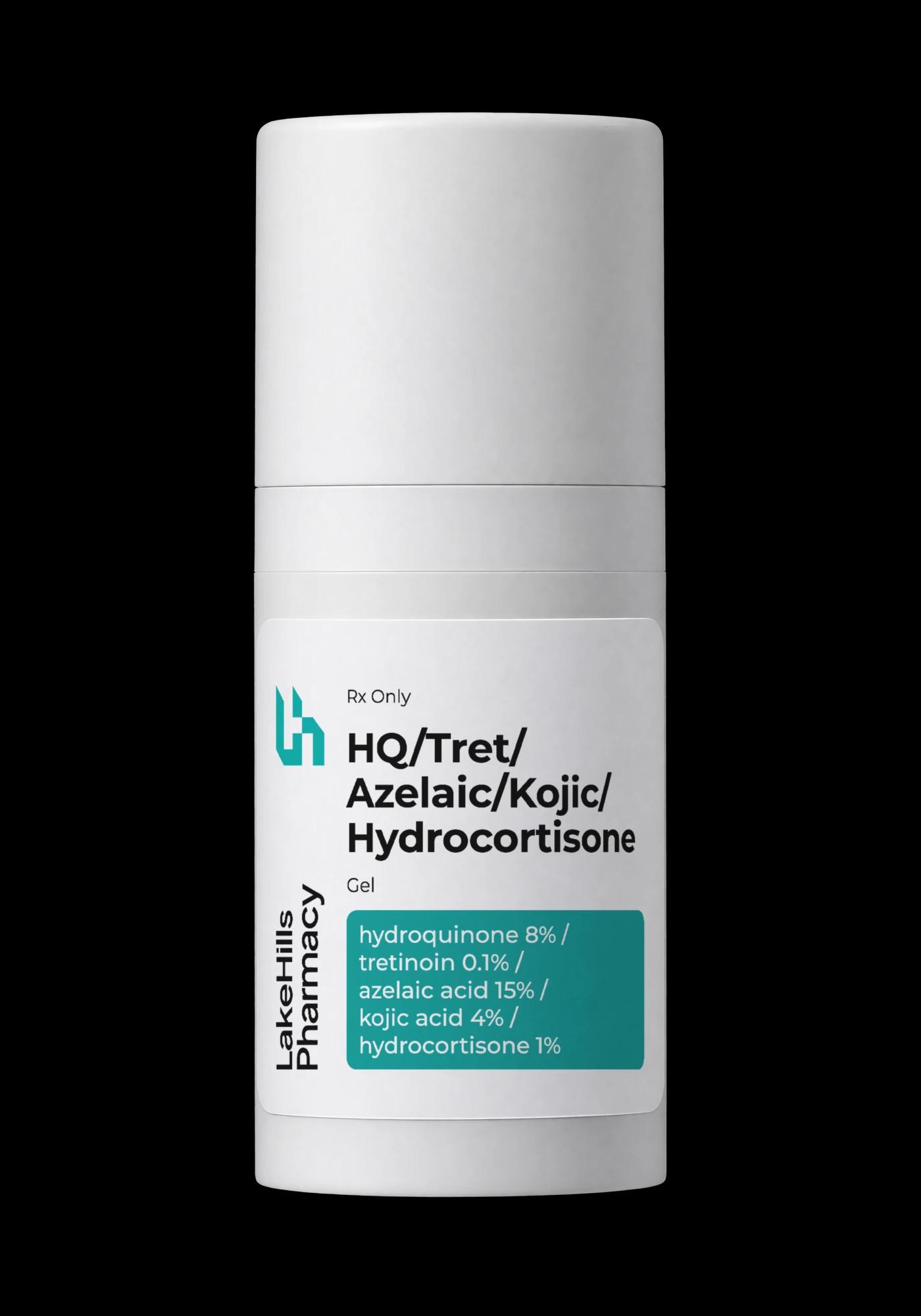
Tret/ Azelaic/ Kojic/ HydrocortisoneHydroquinone/ Tretinoin/ Azelaic Acid/ Kojic Acid/ HydrocortisoneDermatology · Gel · TopicalRx only
Ask a pharmacist
Are compounded medications FDA approved?
All formulations are patient-specific prescriptions compounded by Lake Hills Pharmacy under FDA section 503A. Individual ingredients are FDA-approved; compounded products are not reviewed by the FDA for safety, effectiveness, or quality. For licensed healthcare providers only.
How do I get a prescription filled here?
You can have your doctor send prescriptions to us any time. We also transfer your medications from another pharmacy. Our pharmacy accepts all major insurance plans.
Can you ship this medication to my state?
It depends on the medication and on your state. Whether we can dispense or ship a medication to you depends on the laws and board of pharmacy rules of your state and on our licensure there. We confirm availability when we receive a prescription.
These answers cover the basics. For anything about a formula, a strength or a prescription, contact our pharmacists.
Mon - Fri: 8:30am - 6:30pm CTSaturday: 9:00am - 2:00pm CTSunday: Closed
12005 Bee Cave Rd, Suite 1-A, Austin, TX 78738