
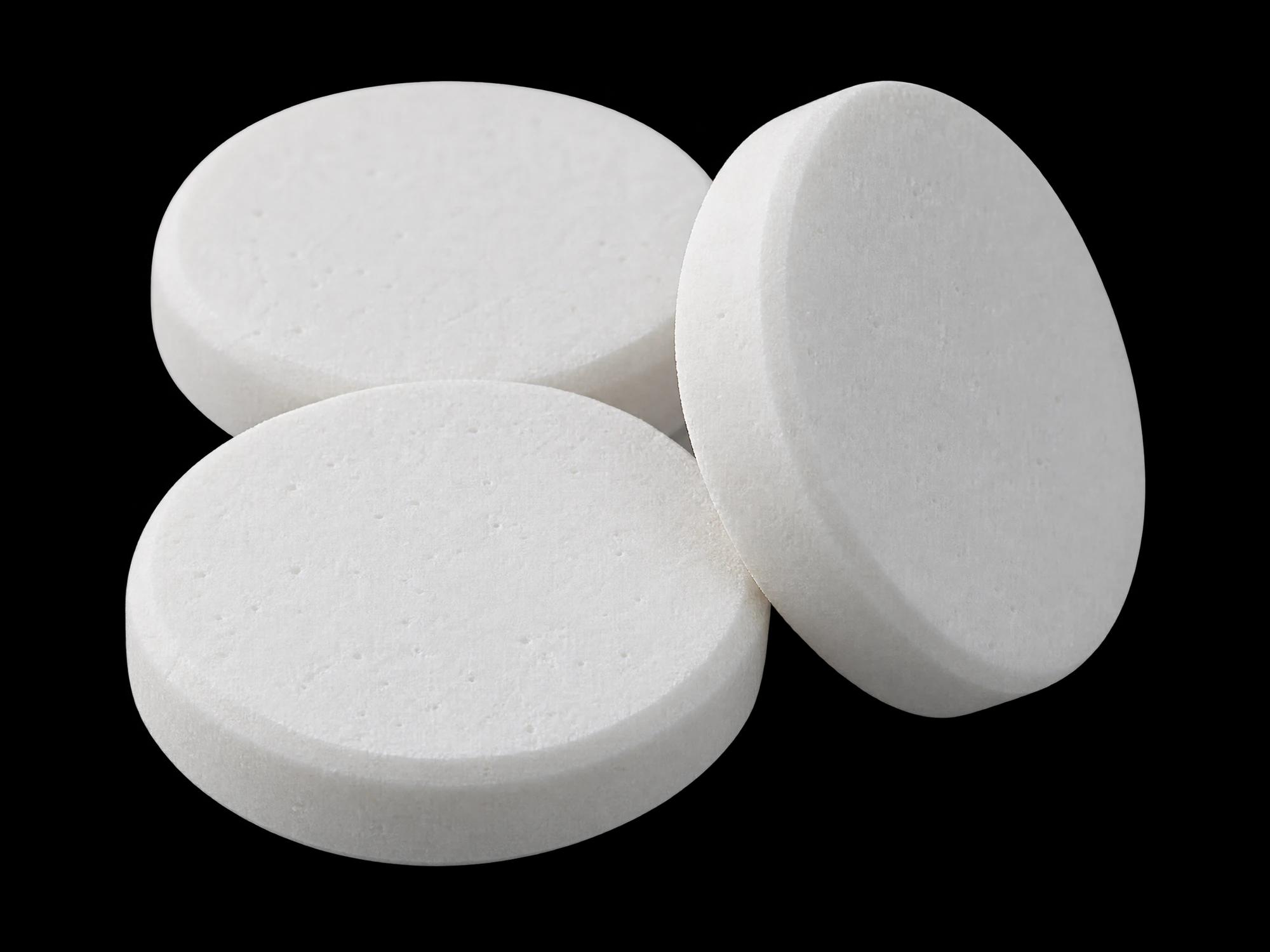
- Active ingredients
- Dosage form
- Rapid dissolve tablet
- Route
- Sublingual/buccal
- Care area
- Drug class
- Anesthetic
- DEA schedule
- CIII
- Storage
- Room temperature


Compounded and dispensed by an NABP-accredited, LegitScript-certified pharmacy. Verify accreditation (opens in a new tab)
About compounded medications
All formulations are patient-specific prescriptions compounded by Lake Hills Pharmacy under FDA section 503A. Individual ingredients are FDA-approved; compounded products are not reviewed by the FDA for safety, effectiveness, or quality. For licensed healthcare providers only.
Available Dosage Strengths
Strengths are compounded to the prescriber's order.
Clinical information
Product Overview
Ketamine ODT, ketamine hydrochloride rapid dissolve tablet for sublingual and buccal use. Lake Hills Pharmacy compounds this preparation as a 503A pharmacy, pursuant to a patient-specific prescription.
Ketamine hydrochloride is FDA labeled only as an injectable general anesthetic (Ketalar). There is no FDA-labeled oral ketamine product. In October 2023, FDA warned about potential risks of compounded ketamine products, including oral forms, used for psychiatric disorders, among them abuse and misuse, psychiatric events, raised blood pressure, respiratory depression and bladder toxicity, particularly with use at home without monitoring.
Active Ingredients & Strengths
Ketamine hydrochloride, nonsterile rapid dissolve tablet (orally disintegrating), placed under the tongue or against the cheek.
Strength is set on each prescription; contact Lake Hills Pharmacy for available strengths.
Dosing & Administration
Administered sublingually or buccally as prescribed; the tablet is placed under the tongue or against the cheek and dissolves there. No FDA-labeled dose exists for this route; dosing is individualized by the prescriber. The prescriber sets the dose, frequency, setting and level of monitoring.
Key Safety Information
- Controlled substance: ketamine is Schedule III. It has potential for abuse, misuse, diversion, psychological dependence and tolerance, and has been used illicitly for its dissociative and amnestic effects. Assess risk before prescribing and monitor for misuse.
- CNS and psychiatric effects: sedation, dissociation, perceptual changes, confusion and hallucinations. Psychiatric adverse events can persist after a dose. Use caution in patients with a history of psychosis.
- Cardiovascular: ketamine raises blood pressure and heart rate. It is contraindicated where a significant rise in blood pressure would be a serious hazard.
- Respiratory depression can occur, especially with opioids, benzodiazepines, alcohol or other CNS depressants.
- Recurrent use has been linked to liver injury (mostly cholestatic) and to lower urinary tract and bladder symptoms, including cystitis. Consider baseline and periodic liver tests with recurrent dosing.
- Interactions: CNS depressants (additive sedation and respiratory depression); sympathomimetics and MAO inhibitors (blood pressure); theophylline or aminophylline (lower seizure threshold); CYP3A4 and CYP2B6 inhibitors or inducers (altered exposure).
- Pregnancy and lactation: safe use has not been established.
Storage, Stability & BUD
- Storage: Room temperature; store securely as a Schedule III controlled substance.
- Beyond-use date: per the prescription label.
- USP default BUD for this dosage form: 180 days (USP <795> nonsterile solid preparation), at controlled room temperature.
- Lake Hills may assign extended dating based on its own stability data.
Patient Counseling
- Take this medication exactly as your prescriber directs. Do not take extra doses or combine it with alcohol, opioids, sleep medicines or other sedatives unless your prescriber knows.
- Do not drive, operate machinery or make important decisions until the effects have fully worn off, and for at least the period your prescriber tells you.
- This is a controlled substance. Store it securely out of reach of others, never share it, and dispose of unused tablets as the pharmacy instructs.
- Contact your prescriber about chest pain, severe headache, trouble breathing, worsening mood, thoughts of self-harm, or painful, frequent or bloody urination.
- Tell your prescriber if you are pregnant, planning a pregnancy or breastfeeding.
References
- Ketalar (ketamine hydrochloride) Injection Prescribing Information, Par Pharmaceutical.
- U.S. Food and Drug Administration. FDA warns patients and health care providers about potential risks associated with compounded ketamine products, including oral formulations, for the treatment of psychiatric disorders (October 2023).
- USP General Chapter <795> Pharmaceutical Compounding: Nonsterile Preparations.
- Lexicomp Drug Information, Wolters Kluwer.
Active ingredients
Ketamine Hydrochloride
Anesthetic
Overview
Ketamine hydrochloride is a Schedule III (CIII) controlled substance and an arylcyclohexylamine dissociative anesthetic. The FDA-approved reference product is Ketalar injection. There is no FDA-approved oral or topical ketamine product. Esketamine, the S-enantiomer, is a separate FDA-approved nasal spray (Spravato) available only under a REMS. Lake Hills Pharmacy compounds ketamine topical cream and rapid dissolve tablets as a 503A pharmacy on patient-specific prescriptions.
Indications & Uses
Ketalar is FDA labeled as the sole anesthetic agent for diagnostic and surgical procedures that do not require skeletal muscle relaxation, for induction of anesthesia before other general anesthetics, and as a supplement to other anesthetic agents. Prescribers use compounded topical and oral ketamine preparations for pain. In October 2023 FDA warned about potential risks of compounded ketamine, including oral forms, used for psychiatric disorders without monitoring.
Mechanism of Action
Ketamine is a noncompetitive NMDA receptor antagonist that blocks the channel pore and reduces glutamate signaling, producing dissociation, analgesia and amnesia. It also acts on opioid, monoaminergic, muscarinic and sodium channels, and causes indirect sympathomimetic stimulation through catecholamine release.
Pharmacokinetics
Bioavailability is about 93% intramuscularly, about 45 to 50% intranasally, and about 16 to 30% by oral or sublingual routes because of first-pass metabolism. Absorption from topical preparations is low and variable. Ketamine is N-demethylated mainly by CYP3A4 and CYP2B6 to the active metabolite norketamine, then hydroxylated, conjugated and excreted in urine. Elimination half-life is about 2.5 hours.
Contraindications
- Patients in whom a significant elevation of blood pressure would be a serious hazard.
- Known hypersensitivity to ketamine or any component of the preparation.
Warnings & Precautions
- Abuse, misuse and dependence: ketamine is CIII. It is used illicitly for dissociative effects and has been used to facilitate sexual assault. Tolerance, psychological dependence and withdrawal (craving, anxiety, fatigue) are reported with repeated use. Assess risk, limit quantities and monitor for misuse.
- Hemodynamic effects: transient rises in blood pressure and heart rate; use caution in hypertension, coronary disease, heart failure, aneurysm and thyrotoxicosis.
- Emergence and psychiatric reactions: vivid dreams, hallucinations, confusion, and delirium; psychiatric events can persist for days to weeks. Use caution with a history of psychosis.
- Respiratory depression and airway: risk increases with high doses, rapid administration and other CNS depressants. Hypersalivation and laryngospasm can occur.
- Liver injury: recurrent use is associated with cholestatic hepatobiliary dysfunction. Cystitis: chronic use is associated with lower urinary tract symptoms, ulcerative or hemorrhagic cystitis and reduced bladder capacity.
- Increased intracranial and intraocular pressure, and impaired driving or machine operation after doses. Repeated or prolonged anesthetic exposure in children under 3 years or in the third trimester may affect brain development.
Drug Interactions
- CNS depressants (opioids, benzodiazepines, barbiturates, alcohol, sedating antihistamines): additive sedation and respiratory depression; prolonged recovery.
- Theophylline and aminophylline: lowered seizure threshold.
- Sympathomimetics, vasopressin, MAO inhibitors and psychostimulants: increased blood pressure and heart rate.
- CYP3A4 and CYP2B6 inhibitors may increase, and inducers may decrease, ketamine exposure.
Adverse Effects
Common: dissociation, dizziness, sedation, diplopia, nystagmus, nausea and vomiting, raised blood pressure and heart rate, and emergence reactions. Also reported: hypersalivation, tonic-clonic-like movements, rash and injection-site pain, liver enzyme elevation, and urinary tract symptoms with chronic use. Topical use: local irritation and erythema.
Pregnancy & Lactation
Safe use during pregnancy, labor and delivery has not been established, and repeated anesthetic exposure in the third trimester may affect fetal brain development. Limited data describe ketamine in breast milk; an alternative is generally preferred during breastfeeding, and use is a prescriber decision.
Monitoring
Blood pressure and heart rate, mental status, signs of misuse or diversion, urinary symptoms, and baseline and periodic liver tests (including alkaline phosphatase and GGT) with recurrent dosing. Check the state prescription monitoring program as required.
References
- Ketalar (ketamine hydrochloride) Injection Prescribing Information.
- Spravato (esketamine) Nasal Spray Prescribing Information, Janssen Pharmaceuticals.
- U.S. Food and Drug Administration. FDA warns patients and health care providers about potential risks associated with compounded ketamine products, including oral formulations, for the treatment of psychiatric disorders (October 2023).
- Lexicomp Drug Information, Wolters Kluwer.
Ask a pharmacist
Are compounded medications FDA approved?
All formulations are patient-specific prescriptions compounded by Lake Hills Pharmacy under FDA section 503A. Individual ingredients are FDA-approved; compounded products are not reviewed by the FDA for safety, effectiveness, or quality. For licensed healthcare providers only.
How do I get a prescription filled here?
You can have your doctor send prescriptions to us any time. We also transfer your medications from another pharmacy. Our pharmacy accepts all major insurance plans.
Can you ship this medication to my state?
It depends on the medication and on your state. Whether we can dispense or ship a medication to you depends on the laws and board of pharmacy rules of your state and on our licensure there. We confirm availability when we receive a prescription.
These answers cover the basics. For anything about a formula, a strength or a prescription, contact our pharmacists.
Mon - Fri: 8:30am - 6:30pm CTSaturday: 9:00am - 2:00pm CTSunday: Closed
12005 Bee Cave Rd, Suite 1-A, Austin, TX 78738